Helmet:
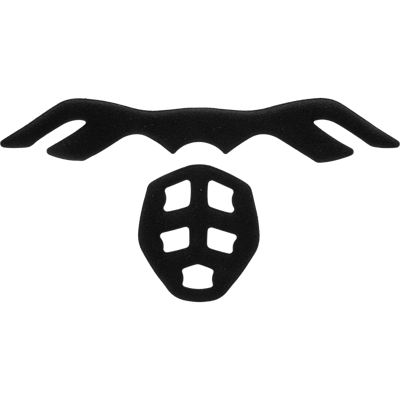
Play it safe – many climbing accidents can be avoided by wearing a helmet.
Quickdraws
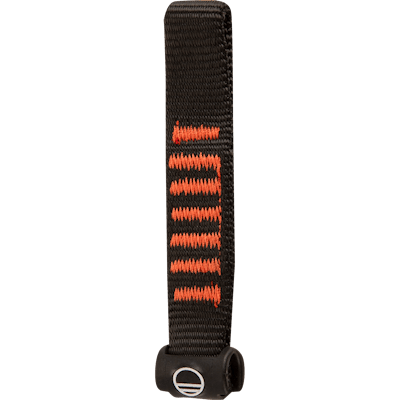
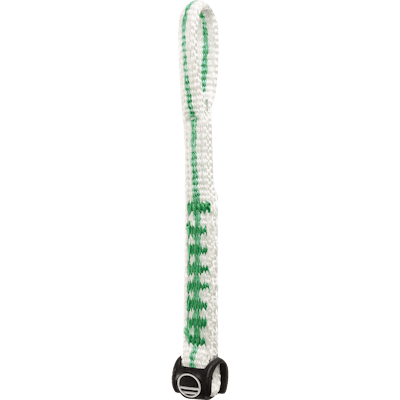
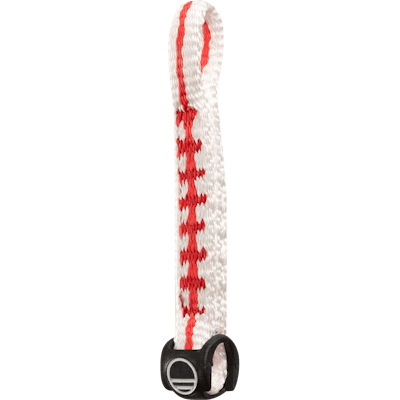
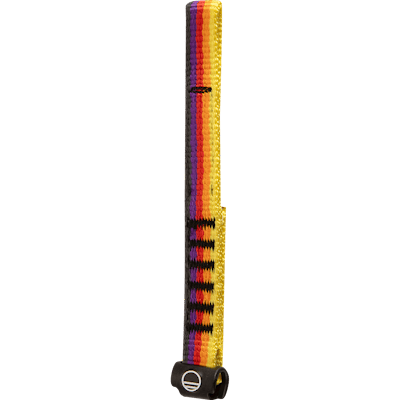
Having your own quickdraws means you can lead sport routes. We recommend getting at least ten – this will cover most climbing walls or outdoor routes.
Pro Key Nut tool: Useful to help you remove protective gear when you are seconding a lead climber while trad or multi-pitch climbing.
Rack:
Once you take up lead climbing, you’ll want to build your own rack of protection.
Rocks:
Nuts and hexes are the main type of passive protection, or ‘pro’. These removable metal wedges mounted on wires work best in tapering cracks. There are many different types out there, including nuts with offset tapered sides.
Hexes:
Hexes can be used in tapering and parallel-sided cracks. They cover sizes larger than nuts.
Camming devices:
‘Cam’ is short for spring-loaded camming device (SLCD). The Wild Country Friends are the original cam and one of the most important inventions in climbing. When you release their spring-loaded trigger, the aluminium cam lobes expand to fit a crack placement.
Locking biners:
Locking carabiners are used for placements to provide extra safety, to support building anchors, or to connect yourself into an anchor.
Slings:
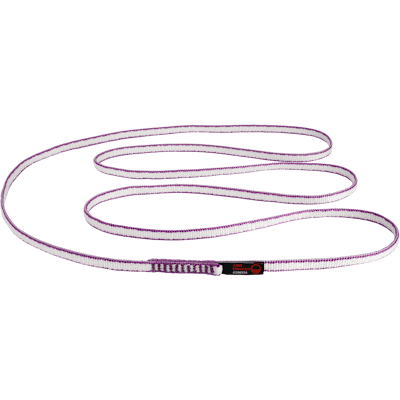
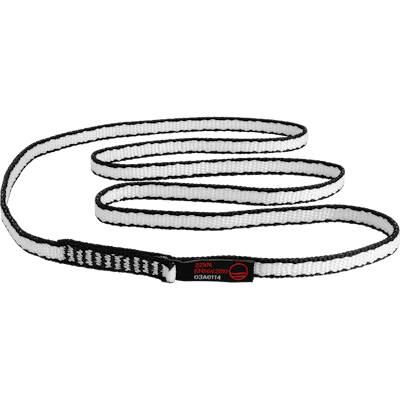
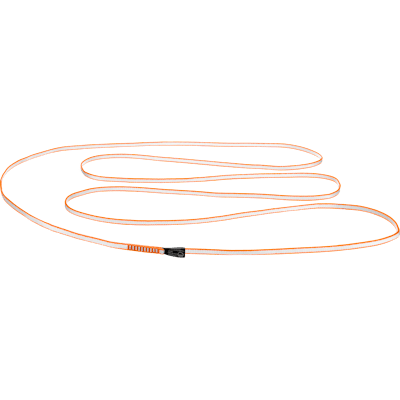
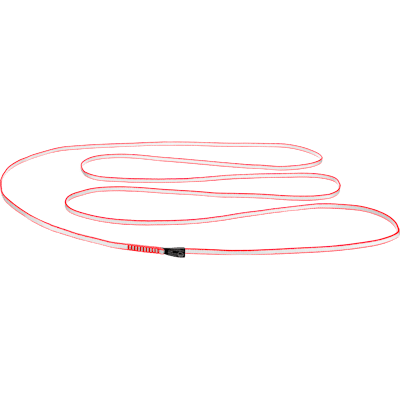
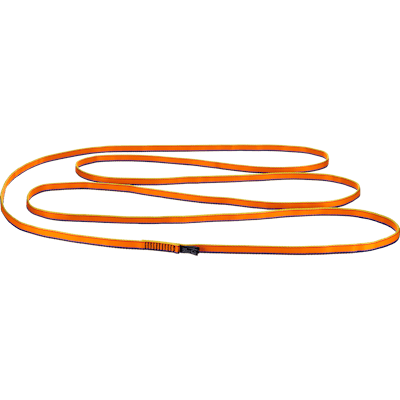
Slings are sewn loops of strong webbing. Use them to extend your quickdraws to decrease rope drag or to set up an anchor.
Webbing:
Webbing is used during trad climbing to create custom lengths for extending or building anchors.
Cord:
Thin accessory cord is useful for threading holes, protecting other features, building anchors and making a Prusik or Klemmheist/ Machard friction hitch.